Browse commercial roof maintenance
Browse commercial roof maintenance
Blog Article
The Ultimate Manual to Roof Coatings: Protect Your Home and Enhance Longevity
Roof coatings function as a significant enhancement for residential roofing structures. They construct a protective layer that defends against weather exposure. Homeowners commonly disregard these products, however they can considerably improve durability and energy efficiency. Understanding the different kinds available is fundamental for reaching wise conclusions. As the conversation advances, the positive aspects and implementation practices will clarify why roof coatings represent a intelligent option for comprehensive safeguarding.
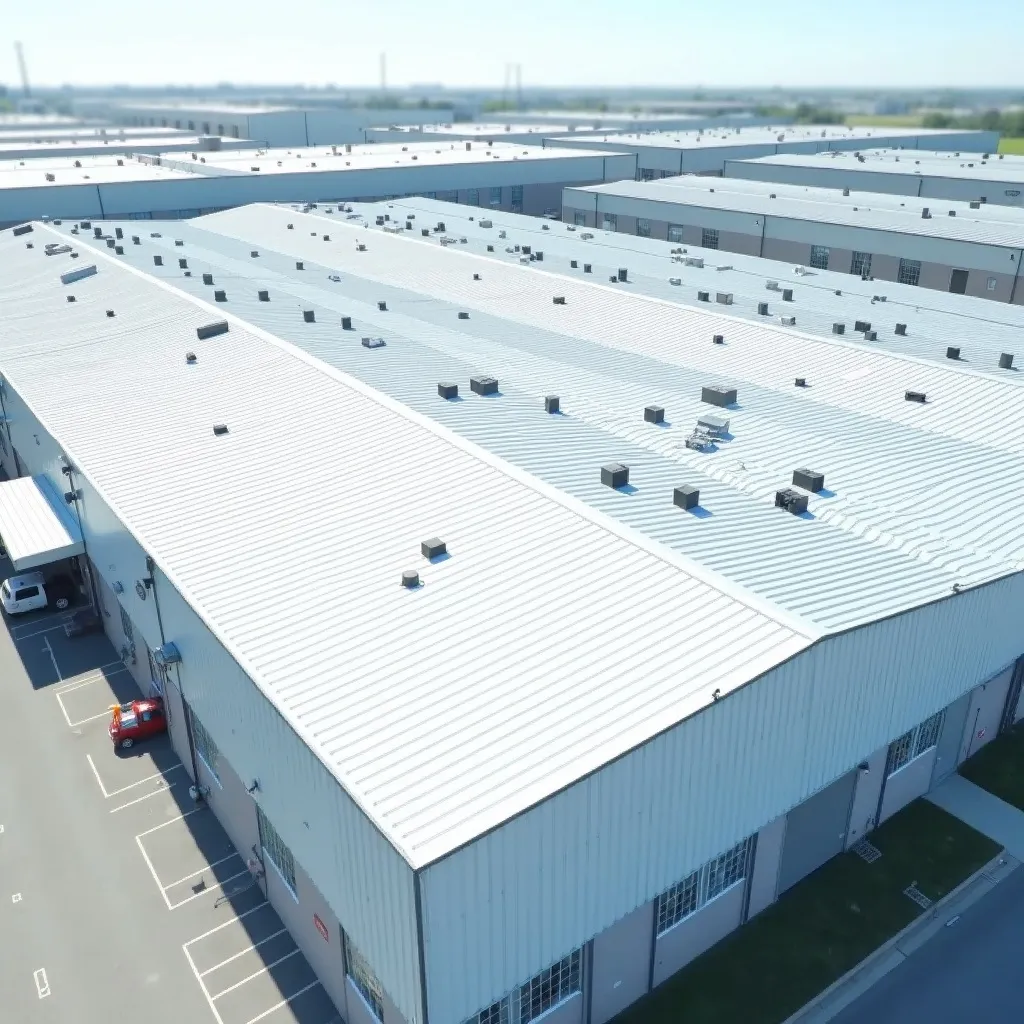
What Are Roof Coatings and How They Perform?
Although many occupants may be oblivious, roof treatments are essential protective coverings applied to roofs to strengthen their resilience and operational quality. These treatments typically consist of a liquid compound that, when applied, forms a seamless membrane over the existing roofing surface. This membrane acts as a defense against various climatic conditions, including UV rays, rain, and temperature fluctuations.
Roof coatings operate through reflecting sunlight, decreasing heat absorption, and thereby lowering energy expenses. They also provide water resistance, stopping leaks and extending the life of the roofing material. By sealing small imperfections and cracks, roof coatings improve the structural integrity of the roof and enhance its overall appearance. Additionally, some coatings contain antimicrobial properties that prevent mildew and mold growth, promoting a healthier living environment. Overall, roof coatings represent an economical solution for homeowners looking to protect their investment while boosting energy efficiency.
Comparing Multiple Categories of Roof Coatings: Finding the Perfect Fit for Your Home
When selecting a roof coating, it is crucial to evaluate key types, such as their performance and lifespan. Furthermore, price factors play a significant role in planning funds for the best choice. Comprehending these factors will help homeowners make informed decisions that best suit their needs.
Essential Coating Types Detailed
Selecting the appropriate roof sealant is crucial for maintaining a home's integrity and improving its longevity. Various types of roof coatings are available, each with distinct properties tailored to different roofing materials and conditions. Acrylic coatings provide excellent UV resistance and are water-soluble, making them eco-conscious. Silicone coatings provide superior waterproofing and are ideal for flat roofs but can be slippery when wet. Polyurethane-based coatings are robust and flexible, providing excellent durability but require careful application. Bitumen coatings are traditional options, known for their water resistance, yet they can be heavy. Homeowners should assess these key types based on their specific needs, climate, and roof type to discover the most appropriate solution for protection and performance.
Performance and Longevity Factors
Grasping the performance and longevity of various roof coatings allows homeowners to make informed choices tailored to their specific needs. Each type of coating, such as acrylic, silicone, and polyurethane, delivers unique benefits and expected lifespans. Acrylic coatings are known for their UV defense and flexibility, usually effective for 5 to 10 years. Silicone coatings are outstanding in waterproofing, with a service life of 10 to 20 years, though they may require specific surface prep. Polyurethane coatings offer high durability and are suitable for high-traffic areas, lasting up to 20 years. Elements like climate, roof slope, and existing materials also shape performance and longevity. Ultimately, choosing the right coating means balancing these factors to ensure optimal protection and durability for the home.
Cost Factors and Budgeting
When reviewing roof coatings, homeowners must carefully evaluate cost implications in tandem with performance characteristics. The initial investment varies considerably among different types, such as acrylic, silicone, and polyurea coatings. Acrylic coatings commonly present a lower cost, making them an excellent option for economical-minded homeowners. However, silicone coatings, while more costly, provide outstanding durability and reflectivity, potentially leading to ongoing reductions on energy bills. Polyurea coatings offer excellent durability but come with the highest price tag. Homeowners should also include installation costs, maintenance, and potential lifespan helpful tips when budgeting. By examining these financial aspects against the intended benefits, homeowners can make sound choices that align with both their financial constraints and performance expectations.
The Case for Spending in Roof Coatings: Major Rewards for Extended lifespan
Investing in roof coatings provides significant advantages that enhance durability and resilience. These coatings boost weather resistance, increase energy efficiency, and can extend the life span of roof materials. Property owners may find that these advantages lead to long-term savings and reduced maintenance costs.
Advanced Elemental Fortification
How can roofing coatings significantly improve a building's durability against harsh weather conditions? Roofing coatings serve as a protective barrier, protecting structures from temperature extremes, heavy rainfall, and damaging UV rays. These coatings are designed to create a waterproof layer, avoiding leaks and water intrusion that can cause mold and structural damage. Additionally, they provide resistance to wind-driven debris, decreasing the risk of roof deterioration during storms. By reflecting sunlight, roof coatings help minimize thermal expansion and contraction, which can compromise roofing materials over time. Putting money in high-quality roof coatings not only extends the life of a roof but also guarantees that it remains intact and functional, regardless of the environmental challenges it faces.
Energy Conservation Upgrade
A major benefit of roof coatings lies in their ability to improve energy performance, making them a worthwhile expenditure for any building owner. These coatings bounce back sunlight and decrease heat absorption, which can lead to lower cooling costs during warmer months. By maintaining a more stable indoor temperature, roof coatings contribute to energy savings and improved comfort for occupants. Additionally, many coatings are designed to insulate, further reducing energy consumption throughout the year. The reduction in reliance on heating and cooling systems not only decreases utility bills but also lessens the overall carbon footprint of the building. Consequently, investing in roof coatings can serve as a proactive measure to promote sustainability while simultaneously benefiting the owner's financial bottom line.
Enhanced Roofing Durability
Roof coatings boost energy efficiency and substantially extend the durability of roof structures. By establishing a defensive layer, these coatings defend roofs from harsh weather elements
In What Ways Do Roof Coatings Reinforce Resilience and Energy Efficiency?
Numerous studies demonstrate that roof coatings markedly bolster the durability and energy efficiency of roofing systems. These coatings serve as a protective barrier against environmental stressors such as UV rays, extreme temperatures, and moisture infiltration. By reflecting sunlight, solar-reflective roof coatings help minimize heat uptake, contributing to lower indoor temperatures and decreased reliance on air conditioning. This not only increases energy performance but also delivers significant expense reductions over time.
Moreover, the use of roof coatings helps prevent the degradation of roofing materials, thereby prolonging their lifespan. The flexibility of these coatings permits them to expand and contract with temperature fluctuations, minimizing the risk of splitting or peeling. Additionally, they can seal minor imperfections and leaks, providing an added layer of protection. Overall, roof coatings act as a multifaceted solution that enhances both the durability and energy efficiency of roofing systems, making them a valuable investment for homeowners.
What Problems Do Roof Sealants Prevent?
Premium roof sealants can significantly mitigate various issues that homeowners face. A major issue is moisture infiltration, as quality coatings establish a moisture-resistant layer, stopping leaks and subsequent mold growth. This protection extends the lifespan of roof components, reducing the requirement for expensive maintenance or new installations. Furthermore, roof coatings can protect against UV damage; they reflect damaging sunlight, minimizing thermal expansion and contraction that can result in fracturing.
Another challenge is energy waste. Coatings can boost insulation, assisting in maintaining indoor temperature control and lower energy bills. They also prevent accumulation of debris, which can trap moisture and encourage decay. Moreover, some coatings are designed to resist algae and moss expansion, tackling visual issues while preserving structural soundness. By tackling these issues, roof coatings not only safeguard properties but also enhance overall property value and longevity.
A Detailed Step-by-Step Instruction Manual for Applying Roof Coatings
Applying roof coatings requires deliberate preparation and careful attention to promise fantastic results. First, the surface must be properly cleaned to strip away debris, dirt, and old coatings. This step guarantees correct bonding of the new coating. Next, any deteriorated areas should be repaired, including putting in new shingles or patching leaks. Once the surface is dry, a primer may be administered to increase adhesion.
After priming, the coating itself can be applied using a roller or spray equipment, delivering uniform distribution. It's crucial to adhere to the manufacturer's guidelines concerning depth and application technique. Generally, two coats are suggested for maximum protection. After applying the initial layer, adequate drying period must be permitted before applying the second.
Finally, equipment must be cleaned immediately after application, and any excess material should be disposed of correctly. This organized method helps increase the performance and durability of the roof coating.
Roof Coating Maintenance Tips: Securing Extended lifespan and Performance
After effectively installing a roof coating, routine care plays a critical role in protecting its effectiveness and extending its longevity. Regular inspections are important; homeowners should assess the roof for signs of wear, such as splits, peeling, or color changes. Maintaining the surface periodically helps clear away debris, algae, and moss, which can weaken the coating's protective quality.
Scheduling these inspections at least twice a year is advisable, ideally during spring and fall. When work is required, applying compatible materials guarantees proper bonding and functionality. Additionally, monitoring the roof's water management system can avoid standing water, a frequent problem that can lead to early degradation.
House owners should also be aware of local weather conditions, as extreme temperature fluctuations can affect the coating. By following these maintenance tips, the durability and performance of roof coatings can be greatly enhanced, providing long-lasting safeguard for the home.
Frequently Asked Questions
How extended Do Roof Coatings Typically Last?
Roof coatings persist between 5 to 15 years, depending on factors such as quality of materials, application technique, and environmental conditions. Consistent upkeep can enhance longevity and effectiveness, guaranteeing ideal protection for the structural base.
Can Roof Coatings Be Installed in Winter?
Roof coatings can be installed in winter, yet their performance is subject to temperature and weather conditions. Ideal temperatures typically range above 50°F, supporting adequate adhesion and curing. Cold weather may negatively affect performance and longevity.
Can Roof Protective Layers Be Environmentally Responsible?
Roof coatings can be environmentally friendly, especially those with low VOCs. Many compositions reflect sunlight, reducing energy consumption, while others employ recycled materials, contributing to green construction methods and minimizing ecological impact.
What Approach Should I Use to Select a Color for My Roof Coating?
Picking the right hue for a roof coating means taking into account aesthetics, energy efficiency, and local climate. Light colors reflect sunlight, while darker colors absorb heat. Personal preference and neighborhood aesthetics also play vital roles in the decision.
Do Roof Treatments Cancel My Protection?
Roof coatings may undermine warranties, as per the supplier's standards. Homeowners should thoroughly investigate warranty terms and coordinate with professionals to confirm adherence and copyright coverage while fortifying roof protection and durability.
Report this page